2026 Carolinas & Virginias RMA Commercial Lending School
Three year commercial lending school located at TLI
Truist Leadership Institute
7807 Airport Center DriveGreensboro, NC 27409
United States
Welcome!
The Carolinas–Virginias Chapter of the Risk Management Association (CAVA) will hold its 2026 Annual Commercial Lending School October 26 - October 30. The School offers three levels of instruction to commercial lending and banking professionals throughout the Southeast and beyond. Registrants are given an opportunity to learn important fundamental principles in commercial lending while enjoying the camaraderie of others in the banking field. Click the curriculum tab above to find out details.
Classes will be held at the Truist Leadership Institute in Greensboro, NC.
IMPORTANT INFORMATION FOR REGISTRATION:
For invoicing - When selecting "Billable Party" in the invoicing section be sure to select YOURSELF as the billable party or the invoice will go to your company's main contact, which in most cases is your CEO.
The North Carolina Bankers Association
The North Carolina Bankers Association brings together all categories of banking institutions that best represent the interests of our rapidly changing state. Proudly serving North Carolina’s banking industry since 1897, the NCBA is the professional trade organization providing advocacy, leadership and support for its dynamic membership base.
The NCBA actively promotes the professional and educational development of its members and affiliate members, and hosts countless annual events, conferences, and professional development programming. Through its government relations activities, the Association communicates with the North Carolina General Assembly, the U.S. Congress, and banking regulators on behalf of its member banks, savings institutions, and trust companies. The NCBA also provides media relations support and regulatory and compliance assistance.
About the Carolinas–Virginias Chapter of the Risk Management Association (CAVA)
The Carolinas-Virginias Chapter, like all RMA chapters, is organized and run by volunteer members. We strongly encourage current or prospective members to become involved in shaping the future direction of the chapter by contacting any of the current officers or committee chairs. We would also be happy to discuss the many benefits available through membership in RMA.
Founded in 1914, The Risk Management Association (RMA) is a not-for-profit, member-driven professional association whose sole purpose is to advance the use of sound risk principles in the financial services industry. RMA promotes an enterprise approach to risk management that focuses on credit risk, market risk, and operational risk.
Headquartered in Philadelphia, Pennsylvania, RMA has 1,600 institutional members that include banks of all sizes as well as nonbank financial institutions. They are represented in the Association by 31,000 individuals located throughout North America, Europe, Australia, and Asia/Pacific.
IMPORTANT INFORMATION FOR REGISTRATION:
For invoicing - When selecting "Billable Party" in the invoicing section be sure to select YOURSELF as the billable party or the invoice will go to your company's main contact, which in most cases is your CEO.
Early Bird Tuition:
Early bird discount ends September 13, 2026.
-
RMA/ProSight/NCBA Member Rate: $1,995
-
Non-Member Rate: $2,095
Standard Tuition Fees:
-
RMA/ProSight/NCBA Member Rate: $2,145
-
Non-Member Rate: $2,295
Tuition for the School includes:
- Instructional materials
-
Monday Welcome Reception
- Breakfast Tuesday through Friday
-
Lunch Tuesday through Thursday
-
Refreshment & snack breaks
- Thursday evening social with dinner
Please note:
-
Hotel accommodations are not included in the tuition. A single hotel room for the week is an additional $500. Click the Accommodations tab for additional information.
-
Your tuition is non-refundable after September 13, 2026 at 11:59pm.
Classes and hotel accommodations will be held at the Truist Leadership Institute.
- Accommodations are not included in the tuition for the school. A single hotel room for the week is an additional $500.
- Check-in at the Truist Leadership Institute is on Monday.
-
The NCBA will make your room reservation. You do not need to call the Truist Leadership Institute.
-
During registration, you have the option to opt out of room accommodations.
-
Rooms at the Truist Leadership Institute will be assigned on a first-come, first-served basis.
-
Rooming lists and accommodations information can be found on this page closer to the event.
Parking at Truist
Free parking is available to the Truist Leadership Institute.
Curriculum
At the CAVA RMA Commercial Lending School, participants will have the opportunity to learn important fundamental principles in commercial lending while enjoying the comradery of their fellow bankers.
Participants will:
- Learn credit fundamentals and principles as a basis for sound lending practices; gain skills needed for obtaining verbal and written information needed in the decision-making process;
- Explore certain considerations in the lending process that have proven to be pitfalls for the inexperienced commercial lending officer Improve their ability to collect, analyze, and evaluate loan information
- Gain a heightened appreciation of their professional code of conduct based on established banking ethics
Course Format:
These intensive five day courses focus on topics critical for individuals advancing in the field of commercial lending. The courses emphasize case studies and requires preparation before attending as well as throughout the week of the school.
This course is integral to the second year school program. The objective of this course is to improve the odds for the bank by providing participants with an understanding of the fundamental principles behind structuring a commercial loan.
Students DO NOT have to begin at Year 1. Please see below for the suggested requirements.
First Year
The First Year of Commercial Lending School teaches the fundamentals of sound commercial lending practices and provides a solid foundation for the continued professional development of commercial lending officers. The experience complements in-house credit-training programs and encourages interaction and teamwork among peers. The course includes lectures, case studies, class discussion, and interaction between participants. The First Year Lending School is open to employees of Risk Management Association member institutions, NCBA Members and other banking professionals.
Who Can Attend First Year?
The number of participants will be limited to help ensure the best educational experience. It is recommended that individuals attending the First Year Commercial Lending School should have 1 to 2 Years of Commercial experience. However, anyone new to commercial banking certainly can take the First Year.
Topics for First Year:
- Tax Return Analysis for Individuals
- Tax Return Analysis for Businesses
- Framework for Credit Structuring
- Analyzing Cash Flow
- Real Estate Underwriting Tools
- Basic Considerations and Risks in R/E Lending
- Income Property Analysis
- Lending to Small Business
- Intro to Problem Loan Management
Second Year
The Second Year of Commercial Lending School is designed for experienced commercial lenders wanting to learn more about their professional practice.
Who Can Attend Second Year?
As a minimum, individuals attending the Second Year Commercial Lending School should have:
- 2 to 3 years Commercial experience
- Year 1 of Commercial Lending School or completed an equivalent course.
Topics for Second Year:
- Secured Lending
- Personal Development
- Financial Projections
- Hotel Lending
- Sustainable Growth
- Commercial Properties - Office and Industrial
- Commercial Properties - Retail
- Commercial Loan Structuring
Third Year
The Third Year of Commercial Lending School is designed for experienced commercial lenders wanting to learn more about their professional practice.
Who Can Attend Third Year?
As a minimum, individuals attending the Third Year Commercial Lending School should have:
- 3 to 5 years Commercial experience
- Years 1 and 2 of Commercial Lending School or completed an equivalent course
Topics for Third Year:
- Commercial Properties – Multi Family
- Commercial Construction Lending
- Managing & Monitoring Credit Risk
- Residential Construction Lending, Land Acquisition & Development Lending
- Strategic vs. Tactical Risk Management
- Advanced Problem Loan Identification & Workouts
- Appraisal Review, FDICA, FIRREA
- Financial Projections
- Loan Pricing
- Choice of two special interest classes: Hospitality Lending, Government Guarantee Lending, Working Capital/Line of Credit Lending, Church Lending, Lending to Contractors, Ownership Transition Lending
2026 CAVA RMA Commercial Lending School Faculty and Instructors
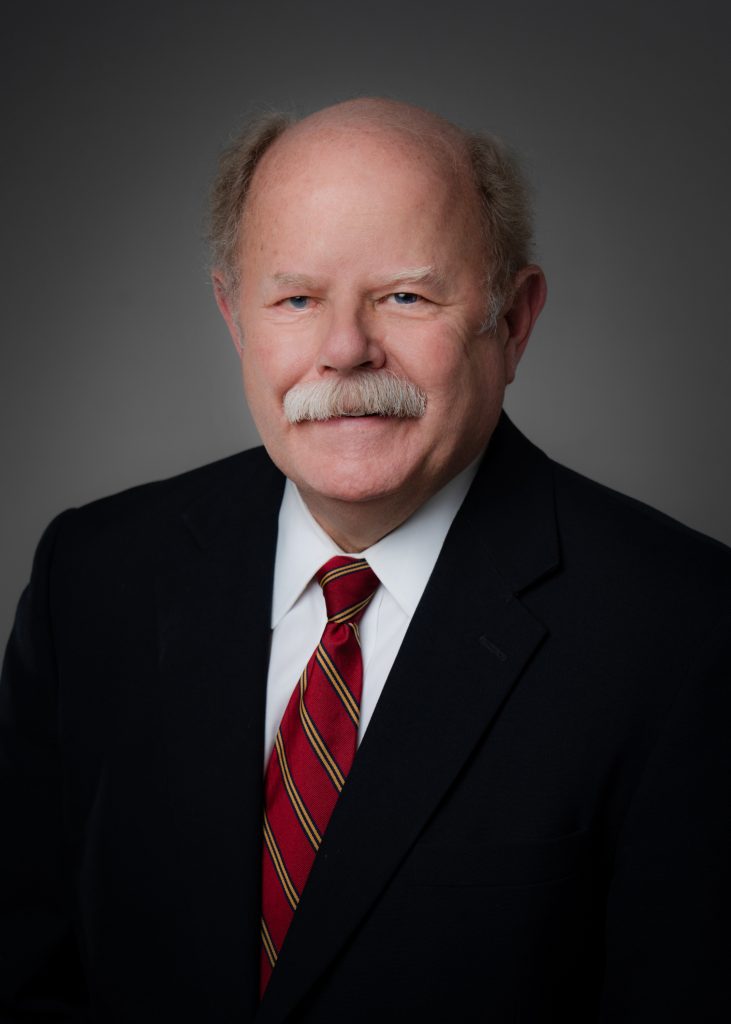
Don Andree
Commercial Property Construction

Roy Barzel
Income Property
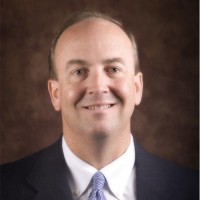
Tol Broome
Secured Lending

Michael Comer
Lending to Small Business; Commercial Loan Structuring

Lacy Cross
Framework; Lending to Contractors
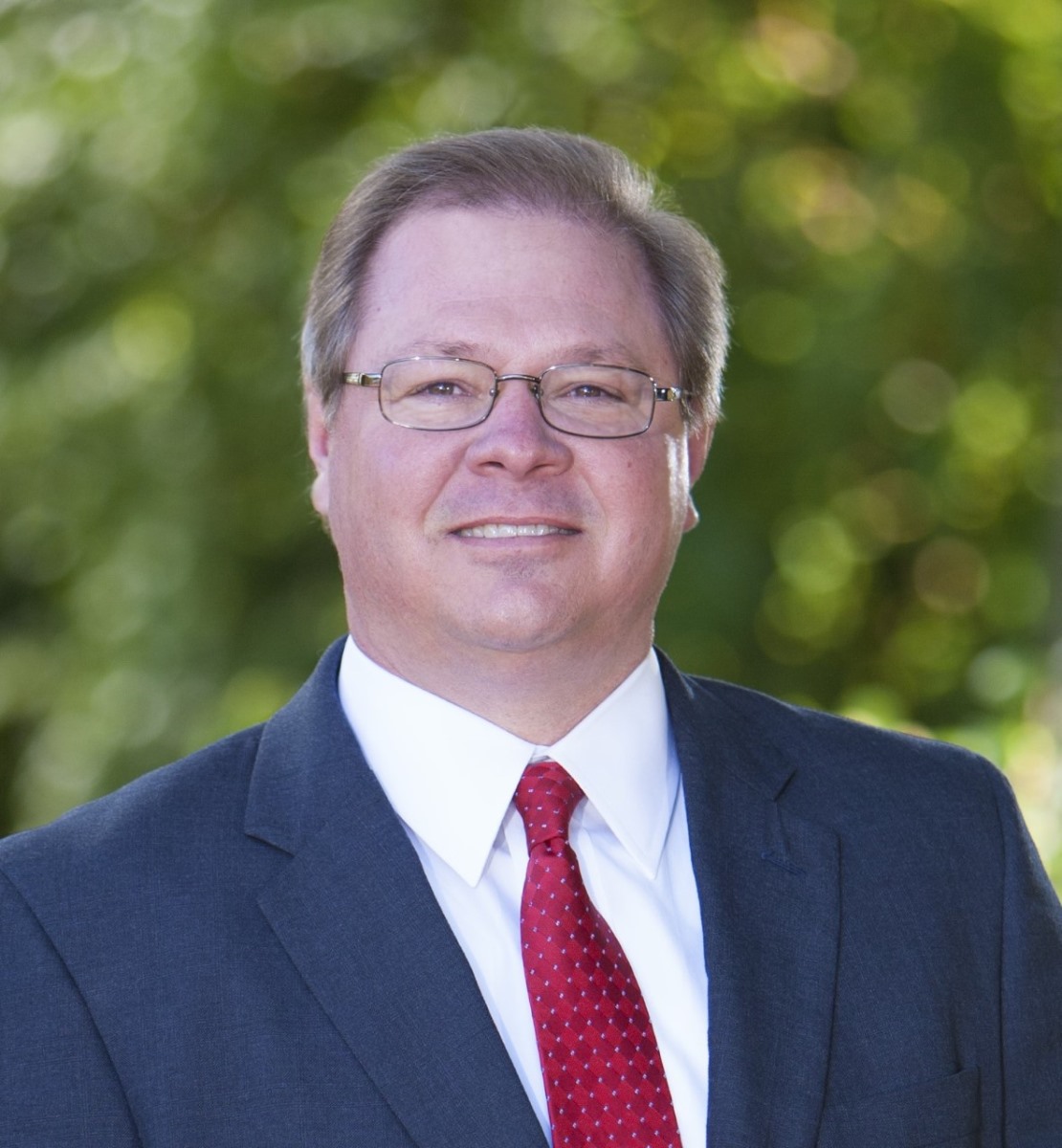
Kevin Futrell
Cash Flow; Group Case Study

Mike Hendricks
Problem Loan
Rob Johnson
Government Guaranteed Lending

Jeff McKeehan
Ownership Transition Lending

Teresa Midgett
Selling Skills; Personal Development
Andy Nenni
Church Lending; Hotel Lending; Tax Returns

Dan Neuschafer
Commercial Properties: Office; Residential Construction

Kevin Nickodem
Pricing; Working Capital / Line of Credit
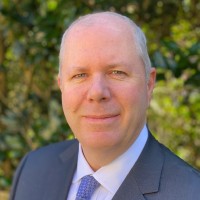
Crawford Pike
Commercial Properties: Owner-Occupied & Investment
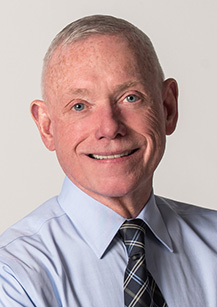
David Ruffin
Commercial Property: Retail

Peter Sackett
Keara Vigil
Appraisal & Environmental Review

Jennifer Welch
Appraisal & Environmental Review
Alan Whitecross
Commercial Loan Structuring; Manage & Monitor Credit

Lemuel “Uel” Whitsett
Manage & Monitor Credit
Registration Options
|
Registration Options
|
Price |
|---|---|
|
Year 1 (Members)
|
$2,145.00 |
|
Year 1 (Non-Members)
|
$2,295.00 |
|
Year 2 (Members)
|
$2,145.00 |
|
Year 2 (Non-Members)
|
$2,295.00 |
|
Year 3 (Members)
|
$2,145.00 |
|
Year 3 (Non-Members)
|
$2,295.00 |
|
Faculty and Instructors
|
FREE |
Product Add-ons
| Add-ons | Price |
|---|---|
| Hotel Accommodations (Mon-Fri) View Product | $500.00 |
Agenda
| October 26 | |
| 12:00 PM - 12:30 PM | Registration Registration Desk Opens at TLI. |
| 12:30 PM - 1:00 PM | Opening Remarks |
| 1:00 PM - 2:45 PM | In Class |
| 2:45 PM - 3:00 PM | Break |
| 3:00 PM - 5:00 PM | In Class |
| 5:45 PM - 7:30 PM | Welcome Reception & Dinner |
| October 27 | |
| 7:30 AM - 8:30 AM | Breakfast |
| 8:30 AM - 10:00 AM | In Class |
| 10:00 AM - 10:15 AM | Break |
| 10:15 AM - 12:15 PM | In Class |
| 12:15 PM - 1:00 PM | Lunch |
| 1:00 PM - 2:45 PM | In Class |
| 2:45 PM - 3:00 PM | Break |
| 3:00 PM - 5:00 PM | In Class |
| October 28 | |
| 7:30 AM - 8:30 AM | Breakfast |
| 8:30 AM - 10:00 AM | In Class |
| 10:00 AM - 10:15 AM | Break |
| 10:15 AM - 12:15 PM | In Class |
| 12:15 PM - 1:00 PM | Lunch |
| 1:00 PM - 2:45 PM | In Class |
| 2:45 PM - 3:00 PM | Break |
| 3:00 PM - 5:00 PM | In Class |
| October 29 | |
| 7:30 AM - 8:30 AM | Breakfast |
| 8:30 AM - 10:00 AM | In Class |
| 10:00 AM - 10:15 AM | Break |
| 10:15 AM - 12:00 PM | In Class |
| 12:15 PM - 1:00 PM | Lunch |
| 1:00 PM - 2:45 PM | In Class |
| 2:45 PM - 3:00 PM | Break |
| 3:00 PM - 5:00 PM | In Class |
| 6:00 PM - 8:00 PM | Reception and Dinner |
| 6:00 PM - 8:00 PM | Reception & Dinner |
| October 30 | |
| 7:30 AM - 8:30 AM | Breakfast |
| 8:30 AM - 10:30 AM | In Class |
| 10:30 AM - 11:00 AM | Graduation |
Frequently Asked Questions - Important Things to Know Before You Go
When is the orientation?
A virtual orientation will be held on Thursday, 10/8 from 11:00 am - 12:00 pm. Year 1 students are required to attend the orientation. Year 2 and 3 students are welcome to join but it is not required.
When is the School?
The 2026 School runs October 26–30, 2026.
Where are classes held?
At the Truist Leadership Institute in Greensboro, NC.
Where do I stay?
At the Truist Leadership Institute in Greensboro, NC.
Do I need an ID?
Yes. Please bring a valid government-issued photo ID. You may need it for:
- Check-in at the Truist Leadership Institute (TLI)
- Building access at the TLI (security procedures may require ID)
- Registration check-in on the first day of the School
We recommend carrying your ID and your hotel room key with you at all times during the week.
What should I bring?
- Valid photo ID (for check-in at the Truist Leadership Institute)
- Laptop/tablet and charger
- Notebook and pens
- Refillable water bottle
- Business casual attire (layers recommended for classroom comfort)
- Any materials that require printing
Arrival
I am a First Year, what will I expect on the first day?
Monday, October 26 – Opening Day
- Morning (Free) – Arrive/check in at your discretion, settle
- 12:30–1:00 PM – Welcome & Orientation
- 1:00–2:30 PM – Tax Return Analysis for Individuals (Andy Nenni)
- 2:30–2:45 PM – Break
- 2:45–5:00 PM – Tax Return Analysis for Individuals (Andy Nenni, continued)
Prepare for a day of active learning and a social gathering!
Attendees are housed at the Truist Leadership Institute.
Address:
Truist Leadership Institute
7807 Airport Center Dr.
Greensboro, NC 27409
- At Truist Leadership Institute: Free parking is available on campus. Please allow extra time in the morning to find the center and walk into the center.
- Year 1: Core fundamentals
- Year 2: Intermediate loan structuring and property analysis
- Year 3: Advanced credit risk and specialized lending
Monday, October 26: Afternoon programming only. Lunch is not provided. Appetizers provided during the Welcome Reception at TLI.
Tuesday, October 27: Breakfast, lunch, and snacks provided
Wednesday, October 28: Breakfast, lunch, and snacks provided
Thursday, October 29: Breakfast, lunch, and snacks provided. Dinner provided during the Evening Social at the TLI.
Friday, October 30: Breakfast and snacks provided. No lunch service.
In addition to classroom learning, the School provides opportunities to meet and connect with your peers across the Carolinas and Virginias banking community.
- Evening Social Gathering: After classes, attendees are encouraged to meet up informally for dinner or networking at the Embassy Suites.
- Breaks & Lunches: Morning/afternoon breaks and lunches are designed for discussion and relationship-building with instructors and classmates.
- Group Case Studies: These sessions encourage collaboration and team problem-solving, giving you the chance to work closely with peers from other banks.
- Monday Welcome Reception
- Thursday evening social with dinner
- Breakfast Tuesday-Friday
- Lunch Tuesday-Thursday
- Refreshment and snack breaks
- Instructional materials